



Apr 15, 2026
Orthodontic Costs Explained: Factors, Options And Payment Plans
Understanding what influences orthodontic fees helps you compare treatment options with confidence.
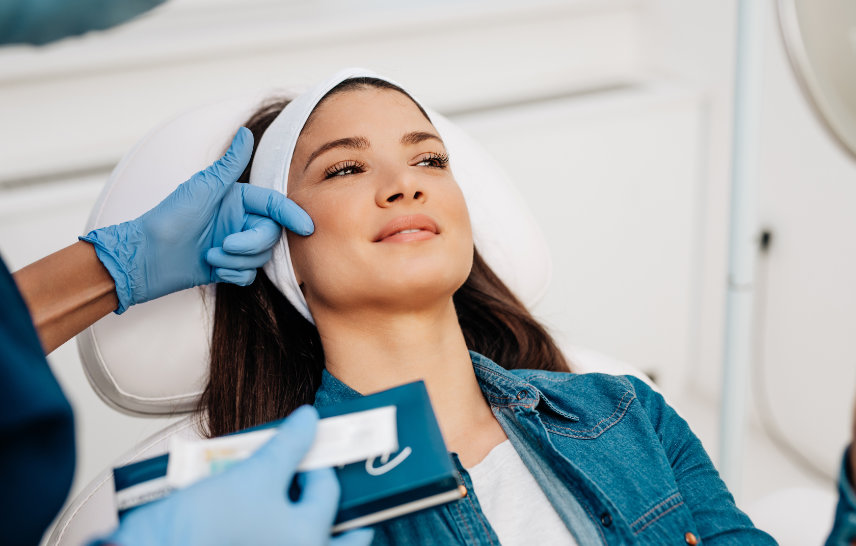
Several factors affect your total fee and payment timeline. While costs vary between patients, knowing these key drivers can help you make an informed decision about braces or Invisalign® treatment.
What affects orthodontic treatment costs
Case complexity and treatment goals
More complex tooth movements, bite corrections and jaw development concerns typically require longer treatment times, more planning and additional appointments. This increases overall clinical time and cost.
Treatment length
Shorter treatments generally cost less overall. Comprehensive treatment plans that run between 12 to 24 months usually sit in the mid to higher price range due to increased monitoring and adjustments.
Appliance type and technology used
Different orthodontic systems have different cost structures:
Metal braces: Usually the most cost-effective option for full treatment.
Ceramic braces: A more discreet option with a modest increase in cost due to aesthetic materials.
LightForce™ braces: Fully custom 3D-printed brackets designed for each tooth, offering precision and personalised planning.
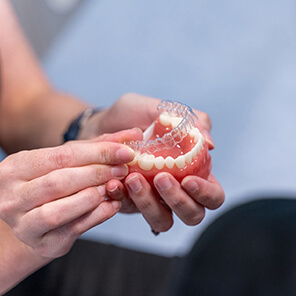
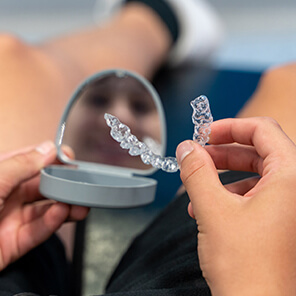
Invisalign®: Custom-made clear aligners supported by digital planning. Costs vary depending on case complexity and number of aligners required.
Appointment needs and monitoring
Regular in-person reviews, adjustments, refinements and any breakages can add to overall treatment time. Remote monitoring systems such as Dental Monitoring may reduce unnecessary clinic visits while maintaining clinical oversight and convenience.
Age and timing of treatment
Early interceptive treatment in children may involve expanders or growth guidance appliances before braces or aligners. This staged approach can spread costs over time. Adult treatment may sometimes involve coordination with other dental providers, which can influence overall budgeting.
Braces and aligner options compared
Metal braces
Typically the most cost-effective full treatment option. Durable, efficient and suitable for a wide range of orthodontic cases.
Ceramic braces
A more discreet option compared to metal braces. Costs are slightly higher due to materials and aesthetic design.
LightForce™ braces
Custom 3D-printed braces designed for each tooth. The advanced planning and manufacturing process places them in a higher price range for many cases, but they may offer improved precision and efficiency.
Invisalign® clear aligners
Removable and discreet aligners popular with adults and teens. Costs can be similar to braces in many cases, but may vary depending on complexity and refinement needs.
Which option is cheapest?
Metal braces are typically the most affordable comprehensive orthodontic option.
Is Invisalign® more expensive than braces?
It depends on case complexity. Invisalign® can be similar in price to braces for many patients. However, complex aligner cases may cost more due to additional aligners and refinements.
Budgeting and payment plan options
Orthodontic treatment is often made more manageable through flexible payment options. Interest-free payment plans allow costs to be spread over time, making treatment more accessible for families and individuals.
Typical payment plan features may include:
Flexible deposit options based on budget
Weekly, fortnightly or monthly instalments
Clear treatment timelines aligned with payments
Occasional promotions or deposit contributions (availability varies and should be confirmed at consultation)
Private health insurance may also contribute to orthodontic treatment depending on your level of cover, waiting periods and lifetime limits. Item numbers can be provided to help you confirm rebates with your insurer.
Does Medicare cover orthodontics?
In most cases, Medicare does not cover orthodontic treatment. Private health insurance is usually the main source of rebates where applicable.
How technology affects value and convenience
Modern orthodontic systems use digital tools to improve accuracy and reduce unnecessary appointments. These may include:
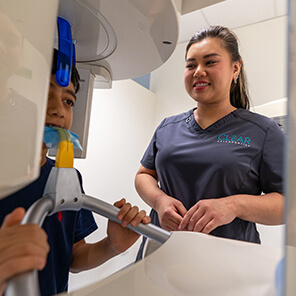
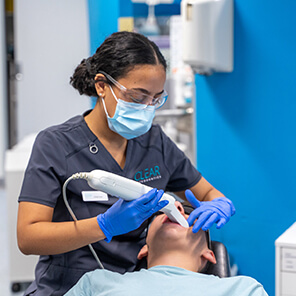
3D scanning for precise treatment planning
Digital simulations to preview results before starting
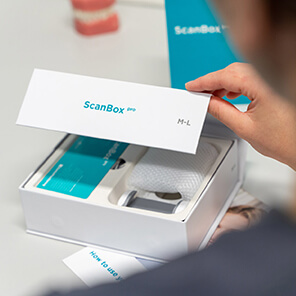
Remote monitoring systems to track progress between visits
These technologies can improve convenience, especially for busy patients balancing work, school and family commitments.
Where we support patients
Clear Orthodontics provides treatment across Melbourne’s northern and western suburbs and regional areas. Patients often access care in:
Caroline Springs
Broadmeadows
Ballarat
Our team offers both in-clinic and remote support depending on treatment needs and lifestyle requirements.
Quick FAQ
How much do braces cost in Australia?
Costs typically vary based on complexity, appliance type and treatment length.
How much do braces cost in Melbourne?
Melbourne pricing generally aligns with national averages and is confirmed after a specialist consultation.
Which braces are the cheapest?
Metal braces are usually the most affordable option for full orthodontic treatment.
Is Invisalign® more expensive than braces?
Sometimes. Invisalign® can be similar in cost to braces, but complex cases may be higher depending on treatment needs.
Summary
Orthodontic costs vary depending on case complexity, treatment length, appliance type and technology used. Metal braces are typically the most cost-effective option, while ceramic braces, LightForce™ systems and Invisalign® offer increased aesthetics and customisation at different price points.
Flexible payment plans and private health rebates can help make treatment more manageable, but the most accurate cost is always provided after a specialist assessment.
Spreading smiles in Melbourne
Learn how we give back to the community we love so much.

Find Us
Please select the location nearest you from the drop-down list below.
Caroline Springs
 Suite 3, 240 Caroline Spring Blvd,
Caroline Springs
VIC
3023

reception@clearorthodontics.com.au
 Opening Times
- Monday
- 8am - 5pm
- Tuesday
- 8am - 5pm
- Wednesday
- 8am - 5pm
- Thursday
- 8am - 5pm
- Friday
- 8am - 5pm
- Saturday
- Closed
- Sunday
- Closed
 Free Parking
 Easy Access
 Open in Google Maps
Broadmeadows
Shop 3, 11-17, Pearcedale Parade,
Broadmeadows
VIC
3047
reception@clearorthodontics.com.au
Opening Times
- Monday
- 8am - 5pm
- Tuesday
- 8am - 5pm
- Wednesday
- 8am - 5pm
- Thursday
- 8am - 5pm
- Friday
- 8am - 5pm
- Saturday
- Closed
- Sunday
- Closed
Free Parking
Easy Access
Ballarat
507 Mair St,
Ballarat
Central VIC
3350
reception@clearorthodontics.com.au
Opening Times
- Monday
- 8am - 5pm
- Tuesday
- 8am - 5pm
- Wednesday
- 8am - 5pm
- Thursday
- 8am - 5pm
- Friday
- 8am - 5pm
- Saturday
- Closed
- Sunday
- Closed
Free Parking
Easy Access