



Mar 18, 2026
Retainers After Braces or Aligners: Why They Matter
You have finished braces or clear aligners and your teeth look great. The last step is easy to overlook, but it is the step that keeps your smile stable for life: your retainers.
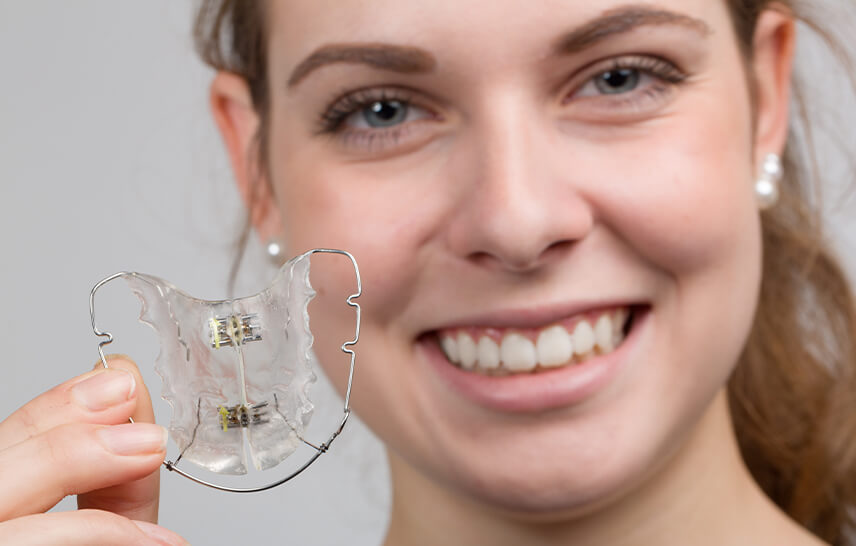
If you have ever wondered how often to wear them, what happens if you skip a few days, or why your retainer feels tight, you are in the right place. This guide explains what to do in common scenarios, how to care for your retainers and when to contact a Specialist Orthodontist.
At Clear Orthodontics, we see retainers as a long-term partnership. Teeth move naturally over time, and your retainer is the simple tool that helps you keep the result you worked so hard to achieve.
Why wearing your retainer matters
After braces or Invisalign® treatment, the supporting fibres around each tooth need time to settle. Bone remodels, gums adapt and your bite finds a new balance. During this period, your teeth are more likely to drift. Everyday habits such as chewing, clenching, lip posture and tongue pressure can also nudge teeth slowly.
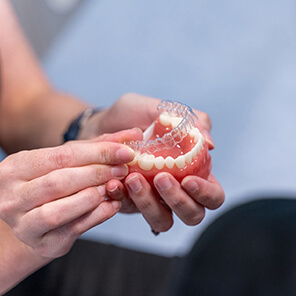
A well-fitting retainer provides gentle, consistent guidance. It helps maintain alignment, protects spacing and rotation corrections, and reduces the risk of relapse. Even years later, a few nights a week of wear can counter subtle age-related movement.
Why wearing your retainer matters
After braces or Invisalign® treatment, the supporting fibres around each tooth need time to settle. Bone remodels, gums adapt and your bite finds a new balance. During this period, your teeth are more likely to drift. Everyday habits such as chewing, clenching, lip posture and tongue pressure can also nudge teeth slowly.
A well-fitting retainer provides gentle, consistent guidance. It helps maintain alignment, protects spacing and rotation corrections, and reduces the risk of relapse. Even years later, a few nights a week of wear can counter subtle age-related movement.
How long you need to wear a retainer
Retention is not a quick phase. The plan your orthodontist gives you is tailored to your case, but most people follow a staged approach:
- First 3 to 6 months: often full-time wear for removable retainers, taking them out only for meals and brushing.
- Next 6 to 12 months: transition to night-time wear.
- Long term: night-time wear ongoing. For many adults and teens, indefinite night-time wear is the safest way to keep teeth stable.
Some patients have a fixed retainer (a small wire behind the front teeth) plus a removable retainer for nights. If you have a fixed retainer, continue night-time wear of your removable retainer unless your orthodontist says otherwise. The fixed retainer helps the front teeth, but the removable retainer supports the whole arch.
What if you forget for a few days or a week
Life happens. If you miss a few days, try not to worry. Rinse your retainer with cool water and attempt to place it. Expect mild tightness for a night or two, which usually settles.
If you have skipped a week or more, place your retainer as soon as you can. If it seats fully and only feels snug, wear it full-time for 3 to 7 days, then return to night-time wear. If it does not seat completely, do not force it. Forcing can crack the retainer or stress teeth.
When in doubt, contact a Specialist Orthodontist for guidance. If you are local and need help, you can reach our team in Melbourne’s northern and western suburbs through our main site. A short review can prevent small shifts from becoming bigger corrections.
Signs your retainer does not fit
A retainer that no longer fits will usually tell you:
- It will not seat fully on one side or over certain teeth.
- It feels painfully tight or pops off when you close.
- There are visible gaps between the retainer and the biting edges.
- For fixed retainers, the wire feels loose or you notice a broken bonding point.
If you notice any of these, stop wearing it and book a check. A quick scan can confirm whether a minor adjustment or a replacement is needed.
How to clean and care for your retainers
- Daily care keeps your retainer clear, odour-free and accurate in shape.
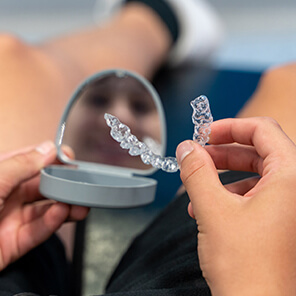
- Rinse with cool water after removal. Hot water can warp plastic.
- Brush gently with a soft toothbrush and a tiny amount of liquid soap. Avoid toothpaste on plastic retainers, since abrasives can cause cloudiness and plaque buildup.
- Soak 1 to 2 times per week in a retainer-cleaning solution as advised by your orthodontist. Rinse thoroughly before wear.
- Always store in a hard case when not in your mouth. Napkins are the number one cause of lost retainers.
- Keep away from heat sources, pets and pockets. Dogs love to chew them, and heat can distort them quickly.
- Good hygiene matters for fixed retainers too. Use floss threaders or a water flosser around the wire daily to prevent plaque and calculus buildup.
Lost, cracked or broken retainer: what to do and when to act
Act quickly. Teeth can shift in days, more so in the early months after treatment.
If a removable retainer is lost or cracked, contact your orthodontist for a replacement appointment as soon as possible. If you still have an older backup and it fits, wear it to hold your position until your new one is ready.
If a fixed retainer bond breaks or the wire is loose, avoid wiggling it. Use floss carefully to clean and call for a repair appointment. If the wire is irritating your tongue, cover it with orthodontic wax until you are seen.
If you are in Melbourne and need a prompt review, you can book with an Orthodontist in the northern suburbs or visit our Broadmeadows team. We will guide you on the quickest way to stabilise things and arrange a new scan if required.
Full-time versus night-time wear
Full-time wear provides maximum stability while tissues settle. It is typically used straight after braces or aligners and during any period of tightness after a lapse.
Night-time wear is the long-term maintenance phase. For many, this looks like every night for the first year, then stepping down to a few nights per week if your Specialist Orthodontist agrees. If your teeth tend to shift, stick with nightly wear.
Remote monitoring for retainer checks
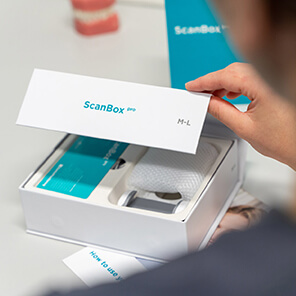
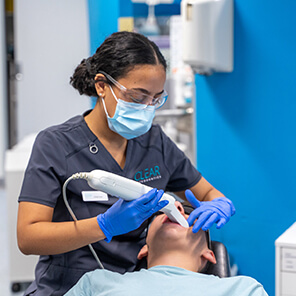
Remote monitoring can make retention easier between visits. With the Dental Monitoring app and a ScanBox, you can upload quick scans that allow your orthodontist to review fit, gum health and any early movement.
This can reduce in-person visits while still providing timely feedback if something changes. Patients who use remote monitoring often catch fit issues earlier and get guidance faster.
When to contact a Specialist Orthodontist
Reach out if:
- Your removable retainer no longer seats or feels painful after 2 to 3 nights of wear.
- A fixed retainer bond breaks or the wire feels rough, distorted or loose.
- You have lost your retainer, or it broke and you need a replacement.
- You notice new spacing, crowding or bite changes.
If you live near Caroline Springs and need help with retainers after braces or aligners, our team can assist with scans and replacements. You can also reach our Broadmeadows clinic if that location is more convenient.
Quick FAQ
Why is wearing my retainer important after orthodontic treatment?
It holds teeth in their corrected positions while tissues stabilise and helps prevent relapse over the long term.
Will my teeth shift back if I forget to wear my retainer for a week?
They can begin to move, especially early on. Try your retainer as soon as possible. If it fits, wear it full-time for several days. If it will not seat, contact your orthodontist.
How long do I need to wear my retainer?
Most people wear it full-time for several months, then nights long term. Many benefit from indefinite night-time wear.
What should I do if my retainer no longer fits or feels tight?
Do not force it. If mild tightness settles after 1 to 2 nights, continue. If it will not seat or is painful, book a review.
How do I clean and care for my retainer?
Rinse with cool water, brush gently with a soft brush and mild soap, avoid heat, and store in a hard case. Use floss threaders and a water flosser for fixed retainers.
Can I replace a lost or broken retainer, and how quickly should I act?
Yes. Arrange a replacement as soon as possible. Acting quickly reduces the chance of noticeable movement.
Does remote monitoring help with retainer checks?
Yes. Dental Monitoring can support quick reviews of fit and gum health between visits and flag issues early.
Final thoughts and next steps
Retainers are simple, comfortable and powerful for long-term smile stability. Wear them as directed, keep them clean and act quickly if they are lost or no longer fit. If you are unsure, ask. A short check now can save a bigger correction later.
Need help with retainers, replacements or a fit review? Book with our Orthodontist in the northern suburbs of Melbourne for guidance, or see our Broadmeadows team for local support. If Caroline Springs is closer, you can reach our Caroline Springs clinicians for retainer checks and advice.
Spreading smiles in Melbourne
Learn how we give back to the community we love so much.

Find Us
Please select the location nearest you from the drop-down list below.
Caroline Springs
 Suite 3, 240 Caroline Spring Blvd,
Caroline Springs
VIC
3023

reception@clearorthodontics.com.au
 Opening Times
- Monday
- 8am - 5pm
- Tuesday
- 8am - 5pm
- Wednesday
- 8am - 5pm
- Thursday
- 8am - 5pm
- Friday
- 8am - 5pm
- Saturday
- Closed
- Sunday
- Closed
 Free Parking
 Easy Access
 Open in Google Maps
Broadmeadows
Shop 3, 11-17, Pearcedale Parade,
Broadmeadows
VIC
3047
reception@clearorthodontics.com.au
Opening Times
- Monday
- 8am - 5pm
- Tuesday
- 8am - 5pm
- Wednesday
- 8am - 5pm
- Thursday
- 8am - 5pm
- Friday
- 8am - 5pm
- Saturday
- Closed
- Sunday
- Closed
Free Parking
Easy Access
Ballarat
507 Mair St,
Ballarat
Central VIC
3350
reception@clearorthodontics.com.au
Opening Times
- Monday
- 8am - 5pm
- Tuesday
- 8am - 5pm
- Wednesday
- 8am - 5pm
- Thursday
- 8am - 5pm
- Friday
- 8am - 5pm
- Saturday
- Closed
- Sunday
- Closed
Free Parking
Easy Access