



Feb 19, 2026
Spark vs Angel Aligner vs Invisalign®: What Really Matters
Choosing clear aligners can feel tricky when the brands sound similar and everyone promises a straighter smile. Families in Caroline Springs, Broadmeadows and Ballarat often ask the same questions. Which brand is best for my teeth? How comfortable will it be? How long will it take? What will it cost?

In this guide, we compare Spark Aligners, Angel Aligner and Invisalign® in a clear, practical way. We explain how each system works, how the materials differ, and what that means for comfort, clarity and attachments. Most importantly, we explain why the treatment plan from a Specialist Orthodontist has the greatest impact on your outcome.
If you prefer a quick summary, here it is. All three brands can straighten teeth effectively when planned and overseen carefully. Small differences in materials and features exist, but the biggest variable is the diagnosis, staging and monitoring performed by your Specialist Orthodontist, plus how consistently you wear the aligners.
How Clear Aligners Work
All three systems use a series of custom, removable trays that move teeth in small steps. We create a digital 3D model of your teeth, then plan each movement in sequence. You typically wear each aligner for one to two weeks, around 22 hours per day, removing them for meals and brushing. Small tooth-coloured attachments may be added to provide grip for certain movements.
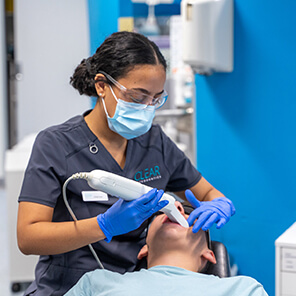
We monitor progress closely. At our clinics we use intra-oral scanning for precise records and Dental Monitoring for remote check-ins, so you can change to the next set when your teeth are ready and we can catch issues early.
What Is Different About the Brands?
Invisalign® uses SmartTrack material with a long track record and widely used digital planning tools. Many complex features, like precision cuts and optimised attachments, are well integrated.
Spark Aligners use a clear, stain-resistant material often described as very transparent with smooth edges. Clinicians appreciate the trimline and flexibility in planning software.
Angel Aligner provides a similar staged approach, with options tailored to case complexity and comfort features aimed at gentle, continuous forces.
In practice, the feel in your mouth can vary slightly. Some patients report Spark trays feel very clear and smooth. Others prefer the firmness of Invisalign®. Angel Aligner users often note comfortable seating and good clarity. These are subjective differences. We help you try sample trays so you can judge comfort and edge finish for yourself.
Materials, Clarity and Comfort
Each brand uses its own multi-layer plastic designed to balance elasticity, force delivery and clarity. Day to day, what most people notice is:
- Clarity: All three are discreet. Spark and Angel Aligner are often described as very clear. Invisalign® is also discreet, particularly when well cared for.
- Edge finish: Trimlines affect lip and cheek comfort. We assess how your gum contour and smile line interact with each option.
- Force delivery: Stiffer materials may feel snug on day one and then settle. Softer materials can feel gentler initially. Either way, minor pressure is normal and settles within a couple of days.
Good wear habits matter more than brand differences. Clean your trays, avoid hot drinks while wearing them, and keep them in a case during meals.
Attachments, Features and Refinements
All three systems can use attachments, elastics and bite ramps when needed. Attachment shape and placement are part of our plan, not a fixed brand rule. Invisalign® has a library of optimised attachments and precision cuts. Spark and Angel Aligner also support advanced biomechanics.
Refinements, which are extra aligners near the end to fine tune, are common across all brands and are part of achieving a polished finish.
Timelines, Suitability and Costs
Most adult and teen aligner cases sit in a similar range for all three brands. Treatment often runs 12 to 18 months, with simpler cases finishing faster and complex bites taking longer. The same principles guide wear time: around 22 hours per day, change as advised, and keep consistent check-ins through Dental Monitoring.
Costs can vary based on case complexity, total number of aligners, and the clinical time needed. Brand choice can be one factor, but the main driver is the scope of treatment. We provide a tailored quote after your consultation and discuss interest-free plans. If you are comparing options, our fees and finance page outlines how we structure payments for clear aligners and braces, including current promotions where applicable.
Does the Orthodontist Matter More Than the Brand?
Yes. The brand provides the tool. The Specialist Orthodontist provides the diagnosis, movement plan and oversight that drive outcomes.
We determine which teeth move first, which attachments to use, how to manage your bite, and how to pivot when biology or wear patterns do not follow the original script. Remote monitoring helps us adjust promptly, which can save time by preventing stalls.
This is why two patients with the same brand can have very different experiences. Consistent wear, accurate staging and timely refinements create predictable results. Our role is to orchestrate these steps, communicate clearly and support you along the way.
When We Might Recommend One Over Another
Complex bites or specific movement needs: We may recommend Invisalign® or Spark if a particular feature set or software control suits your case best.
High priority on tray clarity and edge feel: Spark or Angel Aligner may be a good fit if you are very sensitive to edge finish or focused on ultra-clear trays.
Lifestyle and scheduling: If you need fewer clinic visits, we tailor any brand with Dental Monitoring so you can scan from home while we keep you on track.
Younger patients: We also offer braces and early intervention when growth guidance is a priority. For some children and teens, fixed appliances or expanders are a better first step than aligners.
Practical Takeaways for Melbourne and Ballarat Families
If you live in the northern or western suburbs or Ballarat, convenience and support matter. We offer digital consultations, flexible after-school visits and remote monitoring to reduce travel. You can explore clear aligners and braces in one place, compare options side by side and get a clear cost outline before you start.
If you want to compare aligners with fixed options, learn more about LightForce™ braces for a fully customised alternative.
If you are ready to explore clear aligners, see our overview of clear aligner treatment and how we plan and monitor your journey.
FAQ
Is There a Real Difference Between Spark, Angel Aligner and Invisalign®?
There are material and software differences, and each has unique features. In everyday wear, all three are discreet and comfortable, with small variations in firmness and edge finish. With the right plan from a Specialist Orthodontist, each can achieve excellent results.
Do Outcomes Depend More on the Orthodontist or the Brand?
They depend more on the Specialist Orthodontist and your wear consistency. Diagnosis, staging, attachments and refinements drive success.
What Are the Key Features and Comfort Factors?
All use clear plastics, attachments when needed and digital planning. Invisalign® has extensive attachment libraries and precision options. Spark is known for clarity and smooth edges. Angel Aligner is designed for gentle, continuous forces. Comfort is personal, and we help you test samples where possible.
How Do Costs and Timelines Compare?
Timelines are typically 12 to 18 months across brands, depending on complexity and wear. Costs vary by scope of treatment more than by brand. We provide personalised quotes and interest-free payment options.
Next Steps
If you are comparing aligners in Caroline Springs, Broadmeadows or Ballarat, book a consultation with a Specialist Orthodontist so we can assess your bite, show you the tray differences and map a plan that suits your goals and schedule.
Prefer to start close to home? You can reach our Caroline Springs team or our Broadmeadows team directly, or see contact options for Ballarat. We also offer virtual consults and remote monitoring to make treatment easier wherever you are in Melbourne’s north and west.
Spreading smiles in Melbourne
Learn how we give back to the community we love so much.

Find Us
Please select the location nearest you from the drop-down list below.
Caroline Springs
 Suite 3, 240 Caroline Spring Blvd,
Caroline Springs
VIC
3023

reception@clearorthodontics.com.au
 Opening Times
- Monday
- 8am - 5pm
- Tuesday
- 8am - 5pm
- Wednesday
- 8am - 5pm
- Thursday
- 8am - 5pm
- Friday
- 8am - 5pm
- Saturday
- Closed
- Sunday
- Closed
 Free Parking
 Easy Access
 Open in Google Maps
Broadmeadows
Shop 3, 11-17, Pearcedale Parade,
Broadmeadows
VIC
3047
reception@clearorthodontics.com.au
Opening Times
- Monday
- 8am - 5pm
- Tuesday
- 8am - 5pm
- Wednesday
- 8am - 5pm
- Thursday
- 8am - 5pm
- Friday
- 8am - 5pm
- Saturday
- Closed
- Sunday
- Closed
Free Parking
Easy Access
Ballarat
507 Mair St,
Ballarat
Central VIC
3350
reception@clearorthodontics.com.au
Opening Times
- Monday
- 8am - 5pm
- Tuesday
- 8am - 5pm
- Wednesday
- 8am - 5pm
- Thursday
- 8am - 5pm
- Friday
- 8am - 5pm
- Saturday
- Closed
- Sunday
- Closed
Free Parking
Easy Access