



Aug 15, 2026
LightForce™ vs Traditional Braces in Melbourne: What's the Difference?
Thinking about braces and not sure which option fits best? LightForce™ 3D-printed braces and traditional metal or ceramic braces can both deliver confident, healthy smiles. The difference sits in customisation, comfort, appointment efficiency, and how digital tools support your journey.

At Clear Orthodontics, we plan every case with digital scans, smile simulations, and Specialist Orthodontist oversight. Whether you are a teen in Melbourne juggling school and sport, or an adult in Ballarat balancing work and family, this guide will help you choose with clarity and confidence.
How LightForce™ Braces Differ From Traditional Braces
Both are fixed braces that stay on your teeth to move them consistently. The key differences are in design and workflow.
- Bracket customisation: LightForce™ brackets are 3D-printed to match each tooth's shape and position based on your digital scan. Traditional braces use standard bracket bases that the clinician positions and adjusts over time.
- Fit and comfort: The custom fit of LightForce™ can feel lower profile, with rounded edges designed to be kinder to cheeks and lips. Traditional braces are reliable and sturdy, though they can rub initially until your mouth adjusts.
- Precision and efficiency: LightForce™ uses a fully digital plan to position brackets where your Specialist Orthodontist wants the teeth to finish, which can reduce fine-tuning appointments. Traditional braces are also precise, with your clinician making incremental wire and bracket adjustments in person.
- Aesthetics: LightForce™ brackets are tooth-coloured for a discreet look in many cases. Traditional braces come in metal and ceramic options.
- Workflow: LightForce™ starts with a detailed digital setup, then a custom tray is used to place brackets efficiently in clinic. Traditional braces are placed tooth by tooth during your bonding appointment.
What This Means For Teens And Adults
Teens in the northern and western suburbs of Melbourne often want fewer visits that clash with school or sport. Adults in Ballarat may prefer discreet, efficient care that works around commutes and family life.
- Teens: LightForce™ can help streamline adjustments, and Dental Monitoring check-ins support progress between visits. Traditional braces remain a great choice for active teens who want set-and-forget treatment that does not rely on remembering to wear anything.
- Adults: Many adults prefer tooth-coloured, low-profile options. LightForce™ can suit professionals and uni students who want a refined look and efficient progress. Traditional ceramic braces are also an excellent discreet alternative, especially for complex corrections.
Digital Scans, Smile Simulations And Remote Monitoring
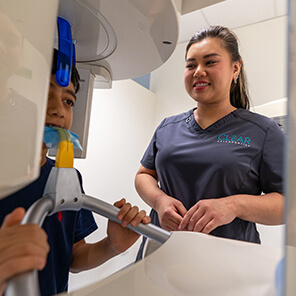
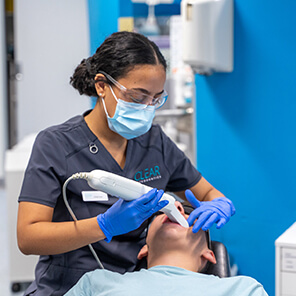
Your first step is a digital assessment using an iTero scan, photos, and x-rays. We can show a smile simulation to illustrate possible movements, then discuss whether LightForce™, traditional braces, or clear aligners suits your goals and lifestyle.
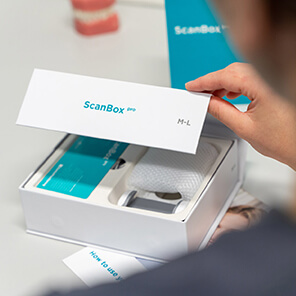
Remote care with the Dental Monitoring app supports both LightForce™ and traditional braces. Using your phone and a ScanBox, you upload short scans for our team to review. We guide you on wire changes, hygiene, and timing of visits, often reducing in-person appointments while keeping Specialist Orthodontist oversight.
If you would like to see how LightForce™ fits into our braces options, explore our page on braces in Melbourne for details about planning, comfort, and workflow.
Appointment Cadence And Day-To-Day Comfort
Most patients feel some pressure in the first few days after braces are fitted or adjusted. With LightForce™, the customised bracket base aims to reduce rubbing spots, which can make the early days gentler for some people. Regardless of the system, soft foods and orthodontic wax help during the settling-in period.
Visit frequency varies by case. LightForce™ planning can reduce chair-time on placement day and can space out some reviews, especially when combined with Dental Monitoring. Traditional braces typically involve regular in-person adjustments, though remote scans still help us time visits well.
Treatment Timelines: How Long Do You Wear LightForce™ Braces?
Most comprehensive braces treatments, including LightForce™, run around 12 to 24 months. Some cases finish sooner and complex bites can take longer. The main drivers are case complexity, biology, and how well appointments, hygiene, and guidance are followed. At your consultation we will outline an estimated range tailored to your bite and goals.
Cost And Value: Are LightForce™ Braces Worth It?
Fees depend on complexity, length of treatment, and technology used. As a guide:
- Metal braces are typically the most cost-effective full treatment option.
- Ceramic braces usually cost a little more than metal.
- LightForce™ often sits higher in price because of the custom 3D-printed brackets and digital manufacturing process.
Are they worth it? For many patients, the precise fit, discreet look, and appointment efficiency are valuable. Others prioritise the lowest upfront fee and choose metal braces. We will present options with transparent pricing so you can decide what represents best value for your situation.
For current fee ranges and interest-free plans, see our page on braces fees in Melbourne. You can also compare LightForce™ on our LightForce™ 3D Braces treatment page.
Real-World Scenarios
- Year 10 student in Caroline Springs: Busy with netball and exams, she wants treatment that does not interrupt training. LightForce™ with Dental Monitoring means quick remote check-ins between visits and a lower-profile, tooth-coloured look at school photos.
- Apprentice in Broadmeadows: He wants the most budget-friendly option and does not mind the look of metal. Traditional metal braces keep costs down and progress steadily without relying on wear-time habits.
- Professional in Ballarat: Client meetings and travel make frequent appointments tricky. LightForce™, combined with remote scans, allows fewer in-person visits and a refined aesthetic in the workplace.
If you are nearby and want local support, you can connect with an Orthodontist in Ballarat, or book with our Broadmeadows team if you prefer a north Melbourne location.
FAQ
What is the difference between LightForce™ braces and regular braces?
LightForce™ uses custom 3D-printed, tooth-specific brackets planned from a digital scan for precise placement and a low-profile feel. Traditional braces use standard bracket bases and in-clinic adjustments. Both are effective, but the workflow and aesthetics differ.
Are LightForce™ braces worth it?
Often yes, if you value a custom fit, a discreet look, and potentially fewer adjustments. If lowest cost is your priority, traditional metal braces may suit you better.
How long do you wear LightForce™ braces?
Many cases run about 12 to 24 months, depending on your bite and treatment goals.
How much do LightForce™ braces cost?
Pricing varies by case. LightForce™ typically sits above metal and often above ceramic braces because of the custom manufacturing. We confirm your exact fee after consultation and offer interest-free plans.
Which are the cheapest braces?
Metal braces are typically the most affordable comprehensive option.
Next Steps: Free Consultation And Flexible Payment Plans
A free initial consultation is the easiest way to compare your options with a Specialist Orthodontist. We will scan your teeth, discuss a smile simulation, outline timelines and fees, and explain interest-free payment plans with weekly, fortnightly, or monthly instalments.
Ready to get started? Explore LightForce™ and other braces options on our Melbourne braces page, or book a consultation at a location that suits you:
- Prefer the western suburbs? See our Caroline Springs contact page for travel-friendly access and parking.
- Closer to Hume and surrounds? Our Broadmeadows team supports families across the northern suburbs.
Wherever you are in Melbourne or Ballarat, we will tailor a plan that fits your life, supports steady progress with remote monitoring, and keeps the process clear from first scan to final smile.
Spreading smiles in Melbourne
Learn how we give back to the community we love so much.


Find Us
Please select the location nearest you from the drop-down list below.
Caroline Springs
 Suite 3, 240 Caroline Spring Blvd,
Caroline Springs
VIC
3023

reception@clearorthodontics.com.au
 Opening Times
- Monday
- 8am - 5pm
- Tuesday
- 8am - 5pm
- Wednesday
- 8am - 5pm
- Thursday
- 8am - 5pm
- Friday
- 8am - 5pm
- Saturday
- Closed
- Sunday
- Closed
 Free Parking
 Easy Access
 Open in Google Maps
Broadmeadows
Shop 3, 11-17, Pearcedale Parade,
Broadmeadows
VIC
3047
reception@clearorthodontics.com.au
Opening Times
- Monday
- 8am - 5pm
- Tuesday
- 8am - 5pm
- Wednesday
- 8am - 5pm
- Thursday
- 8am - 5pm
- Friday
- 8am - 5pm
- Saturday
- Closed
- Sunday
- Closed
Free Parking
Easy Access
Ballarat
507 Mair St,
Ballarat
Central VIC
3350
reception@clearorthodontics.com.au
Opening Times
- Monday
- 8am - 5pm
- Tuesday
- 8am - 5pm
- Wednesday
- 8am - 5pm
- Thursday
- 8am - 5pm
- Friday
- 8am - 5pm
- Saturday
- Closed
- Sunday
- Closed
Free Parking
Easy Access